The introduction of GLP-1 receptor agonists like Ozempic and Wegovy has initiated a profound shift in how millions of people relate to food. Much discourse has focused on weight loss and medical outcomes, but a critical sociological phenomenon is quietly unfolding around our dining room tables. By chemically silencing “food noise,” the persistent, often overwhelming psychological drive to eat, these medications are not just shrinking waistlines; they are fundamentally altering the social rituals of commensality, the act of eating together. This is disrupting the social cohesion historically forged by breaking bread.
Loss of Hedonic Anticipation
“Food noise” is frequently framed in medical terms as a pathology to be cured, defined as persistent, unwanted thoughts about food that drive consumption. However, from a sociological perspective, this “noise” is often the engine of food culture. The anticipation of a meal, the shared craving, and the collective excitement over a menu are foundational elements of dining together. When medications suppress the hedonic control of food intake, the desire to eat for pleasure rather than pure biological necessity, the shared excitement that underpins a dinner party or family meal begins to dissipate. The ritual loses its emotional resonance when the craving itself is chemically removed.
Breaking the Symmetry of the Table
Classical sociological theory helps us understand why a dampened appetite can feel socially disruptive. Georg Simmel (1910), in his Sociology of the Meal, argued that eating is a unique human activity because it is simultaneously fiercely selfish (only I can digest the food I consume) and profoundly communal.
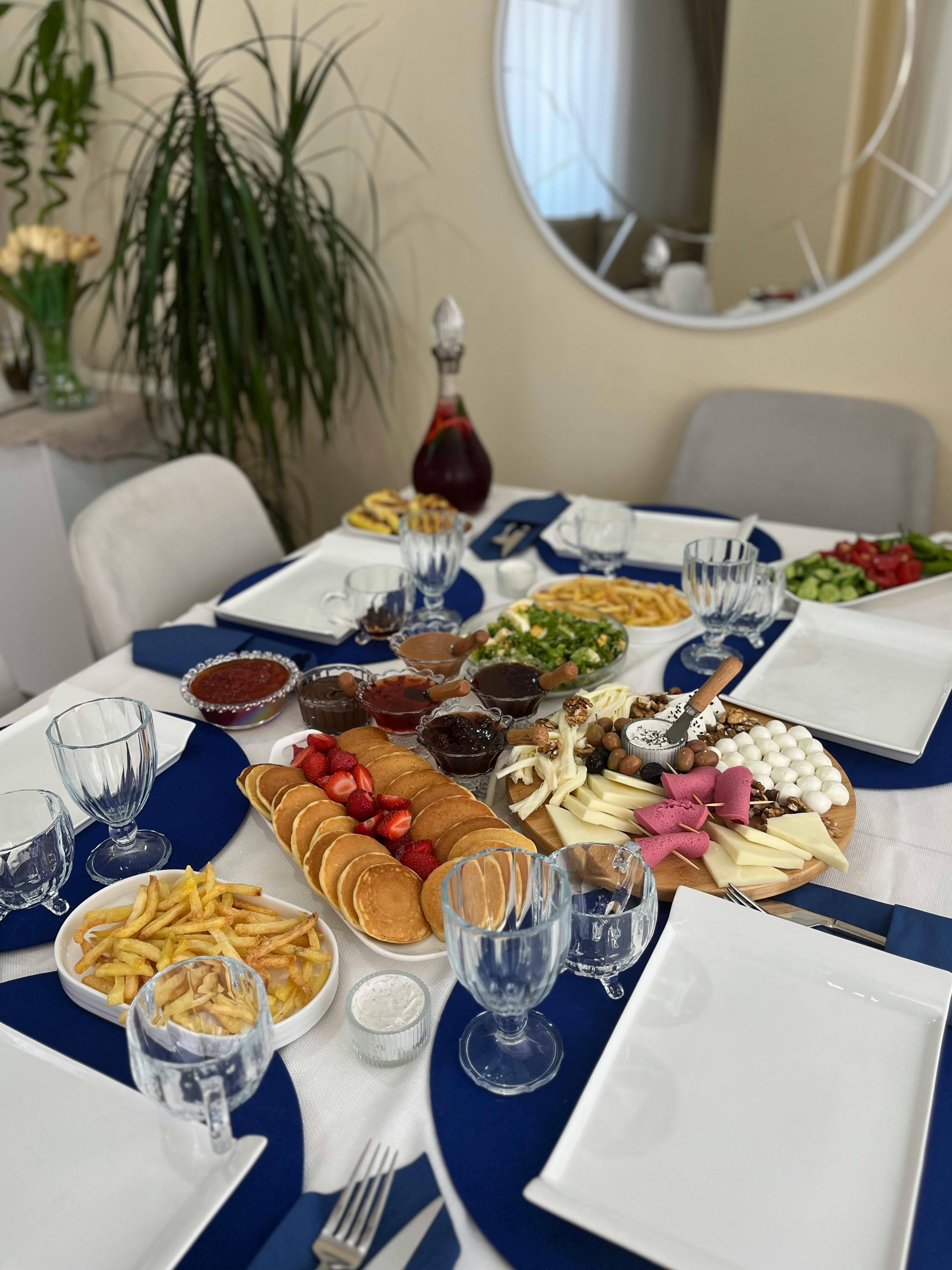
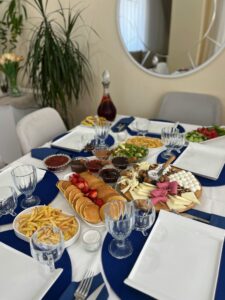 Simmel posited that the “socialization of the meal” occurs when we elevate this basic, individual biological need into a shared aesthetic experience governed by manners, conversation, and collective rhythm. Think about the unspoken rules your family has at the dinner table: don’t talk with your mouth full, saying grace, even watching tv as a family as you eat are all examples of this socialization.
When one person at the table is medically removed from the biological urge to eat – picking at food or abstaining entirely – they inadvertently break the “symmetry” of the table. The shared vulnerability and mutual satisfaction of the meal are compromised, potentially weakening the social bond being formed or reinforced.
The Decline of the “Third Place”
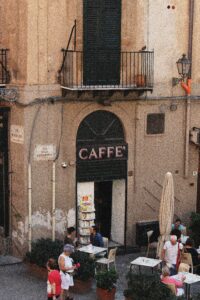 The impact of altered commensality extends beyond the private dining room and into the public sphere. Restaurants and bars have long served as crucial “third places.” These “third places” are social environments distinct from home and work where community ties are built and maintained. Recent economic data suggest a tangible shift in these public rituals.
Studies analyzing consumer behavior in households using GLP-1 medications reveal significant reductions in spending at restaurants and on alcohol. This trend suggests that as the chemical pleasure of eating and drinking is dampened, the motivation to engage in dining out as a primary mode of socialization is declining. Taking this into account, it raises the question about the future landscape of our communal “third places.”
Sociological Warning
As we witness the medicalization of our appetites, we are forced to confront a fundamental question: what remains of the meal when the hunger is gone? If the “breaking of bread” is no longer driven by a shared, visceral need, the social glue of the table risks dissolving. The rise of these medications may force us to decouple human connection from consumption, challenging us to find new ways to gather that don’t rely on the dopamine of the feast. We are effectively curing the biological “noise,” but we must be careful not to inadvertently starve the social soul.
Podvorec is a guest blogger at UITAC Publishing. UITAC’s mission is to provide high-quality, affordable, and socially responsible online course materials.
Images used in this blog:
- “Close-up of Semaglutide Injection Pen on Surface” by Haberdoedas Photography on Pexels licensed under Free Use. This image has not been altered.
- “Elegant Indoor Brunch with Assorted Dishes” by peri on Pexels licensed under Free Use. This image has not been altered.
- “Charming Italian Caffe on Sunny Street Corner” by Antoine Maurin on Pexels licensed under Free Use. This image has not been altered.